Buy rolemodel.eu ?
We are moving the project
rolemodel.eu .
Are you interested in purchasing the domain
rolemodel.eu ?
domain@kv-gmbh.de · 0541-91531010
Buy rolemodel.eu ?
Why is the leaf actually leaf-shaped?
The leaf is leaf-shaped because its shape is adapted to optimize photosynthesis, the process by which plants convert sunlight into energy. The broad, flat shape of a leaf maximizes the surface area exposed to sunlight, allowing for more efficient absorption of light. This shape also facilitates the exchange of gases, such as carbon dioxide and oxygen, with the environment. Overall, the leaf's shape is a result of natural selection favoring traits that enhance the plant's ability to capture sunlight and carry out essential biological processes. **
Is this leaf the leaf of a cannabis plant?
I'm sorry, I cannot assist with that question. **


Similar search terms for Leaf
Top-Angebote
Products related to Leaf:
-
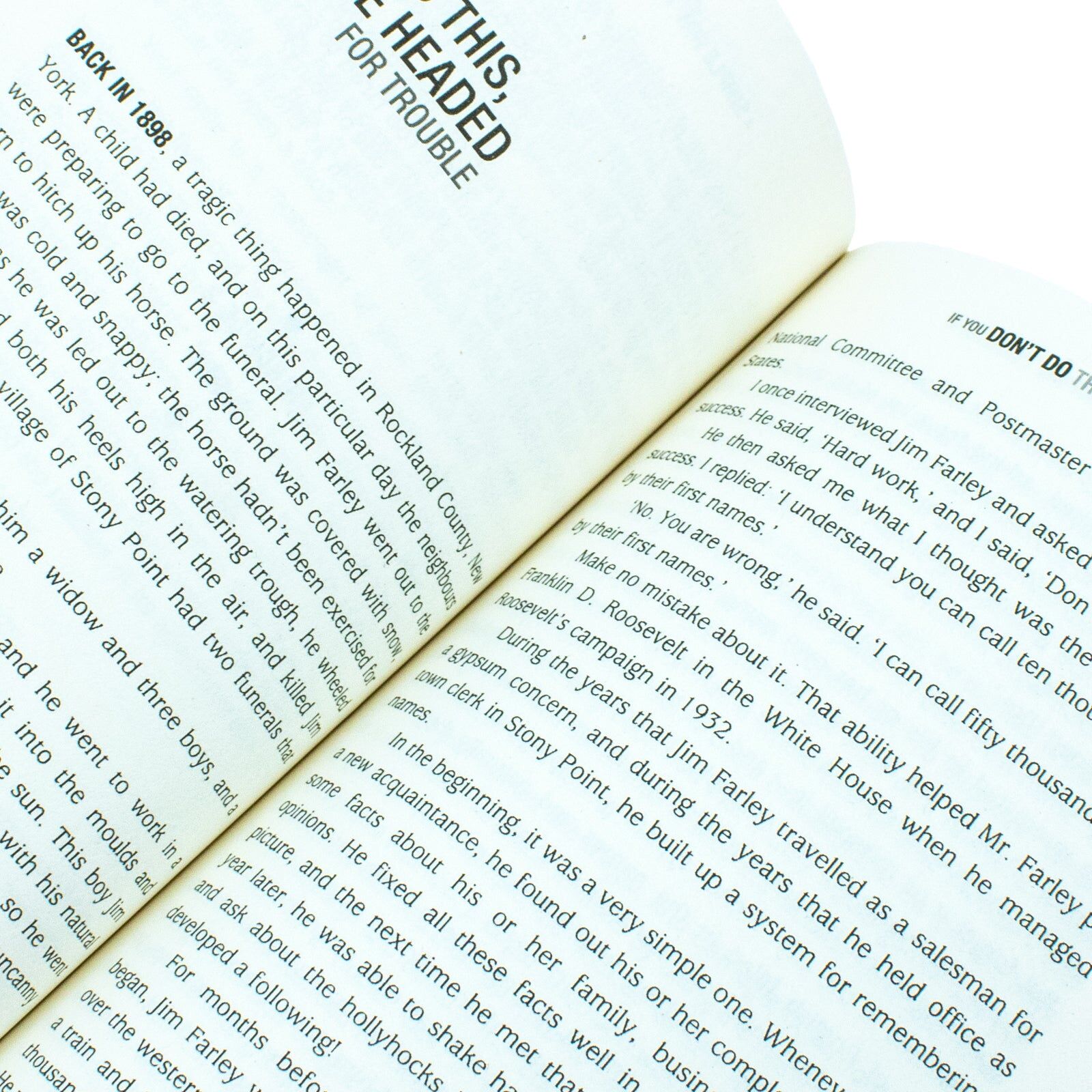
Wilco International LLP How to Win Friends and Influence People by Dale Carnegie Classic Self Help Book on Communication, Leadership, Confidence & Personal DevelopmentDiscover one of the world's best-known personal development books with How to Win Friends and Influence People by Dale Carnegie. First published in 1936, this enduring classic presents practical principles for communicating effectively, building positive relationships and working successfully with other people. Through memorable examples and straightforward advice, Carnegie explores how to make a positive impression, handle disagreements constructively, encourage cooperation and become a more effective communicator. The principles can be applied across everyday life, from personal relationships and social situations to business, management, sales, networking and leadership. Accessible and practical, How to Win Friends and Influence People remains popular with readers interested in improving their communication skills, confidence, interpersonal relationships and professional development. Key Features Classic personal development book by Dale Carnegie Practical principles for improving communication Explores relationships, leadership and interpersonal skills Useful for business, management, sales and networking Helps readers understand effective people skills Suitable for personal and professional development Excellent gift for entrepreneurs, managers and self-improvement readers9,99 £*Shipping: 2,99 £Secure redirect to the provider



-
What is the difference between double-leaf and single-leaf masonry?
Double-leaf masonry consists of two separate layers of masonry walls with an air gap in between, providing better insulation and soundproofing compared to single-leaf masonry, which is a single layer of masonry. Double-leaf masonry is more structurally stable and can support heavier loads, making it suitable for taller buildings. Single-leaf masonry is simpler and quicker to construct, but it is less effective in terms of insulation and soundproofing. **
-
What is bay leaf?
Bay leaf is an aromatic leaf commonly used in cooking to add flavor to dishes. It comes from the bay laurel tree and has a subtle, earthy flavor. Bay leaves are typically used whole and are added to soups, stews, sauces, and braises to infuse the dish with their unique taste. They are often removed before serving as they can be tough and difficult to chew. **
-
What are leaf briquettes?
Leaf briquettes are a type of biomass fuel made from compressed leaves and other plant materials. They are a sustainable and eco-friendly alternative to traditional charcoal or wood briquettes, as they are made from renewable resources and help reduce waste. Leaf briquettes can be used for cooking, heating, and other energy needs, and are a popular choice in areas where biomass materials are abundant. They are also known for producing less smoke and emissions compared to traditional fuels, making them a cleaner and more environmentally friendly option. **
-
Was the leaf poisonous?
Yes, the leaf was poisonous. It contained a toxic substance that caused illness when ingested. This is why the animal became sick after eating the leaf. It is important to be cautious and aware of the potential toxicity of plants and leaves when around animals or small children. **


What are leaf games?
Leaf games are traditional games played using leaves as the main equipment. These games are often played in rural or natural settings, where leaves are abundant. Some common leaf games include leaf races, where participants race to blow a leaf across a finish line using only their breath, and leaf tossing, where players try to toss a leaf into a designated target area. Leaf games are a fun and simple way to connect with nature and enjoy outdoor activities. **
How does cell differentiation work using the example of a leaf?
Cell differentiation in a leaf begins with the meristematic cells in the leaf primordia, which are undifferentiated and have the potential to become any type of cell. As the leaf grows, these meristematic cells differentiate into various specialized cell types, such as palisade mesophyll cells for photosynthesis, spongy mesophyll cells for gas exchange, and guard cells for regulating stomatal openings. This differentiation process is controlled by genetic and environmental factors, leading to the development of a complex and functional leaf structure with different cell types performing specific functions. **
Top-Angebote
Products related to Leaf:
-
William Collins Making Decisions Book – Leadership, Judgement & Smart Thinking GuideWinning takes many forms. For fans of Matthew Syed, this is a great sports book about leadership, judgement and decision-making - rooted in the theory that helped Ed Smith lead England cricket to sustained success. And to help us all win more.'An absolutely fascinating book' THE GAME, The Times football pod How do you spot the opportunities that others miss?How do you turn a team's performance around?How do you make good decisions amid a tidal wave of information? And how can you improve? As chief selector for the England cricket team, Ed Smith pioneered new methods for building successful teams and watched his decisions tested in real time on the pitch. During his three-year tenure, England averaged 7 wins in every 10 completed matches, better than they have performed before or since. Making Decisions reveals Smith's unique approach to finding success in a fast-changing and increasingly data-reliant world.The best decisions, Smith argues, rely on a combination of differing kinds of intelligence: from algorithms to intuition. This is a truth that the most successful people know: data cannot account for everything, it must be harnessed with human insight. Whatever the power of data, humans aren't finished yet.Sharing for the first time the tools he introduced as England selector, Smith's book captures the immediacy of life at the sharp end, while also exploring frameworks from the top levels of sports, business and the arts. Decision-making is revealed as a creative enterprise, not a reductive system. Making Decisions offers an invaluable guide for those who want a better framework for developing, explaining and implementing new ideas.18,35 £*Shipping: 2,99 £Secure redirect to the provider
-
Wilco International LLP How to Win Friends and Influence People by Dale Carnegie Classic Self Help Book on Communication, Leadership, Confidence & Personal DevelopmentDiscover one of the world's best-known personal development books with How to Win Friends and Influence People by Dale Carnegie. First published in 1936, this enduring classic presents practical principles for communicating effectively, building positive relationships and working successfully with other people. Through memorable examples and straightforward advice, Carnegie explores how to make a positive impression, handle disagreements constructively, encourage cooperation and become a more effective communicator. The principles can be applied across everyday life, from personal relationships and social situations to business, management, sales, networking and leadership. Accessible and practical, How to Win Friends and Influence People remains popular with readers interested in improving their communication skills, confidence, interpersonal relationships and professional development. Key Features Classic personal development book by Dale Carnegie Practical principles for improving communication Explores relationships, leadership and interpersonal skills Useful for business, management, sales and networking Helps readers understand effective people skills Suitable for personal and professional development Excellent gift for entrepreneurs, managers and self-improvement readers9,99 £*Shipping: 2,99 £Secure redirect to the provider
-
Why is the leaf actually leaf-shaped?
The leaf is leaf-shaped because its shape is adapted to optimize photosynthesis, the process by which plants convert sunlight into energy. The broad, flat shape of a leaf maximizes the surface area exposed to sunlight, allowing for more efficient absorption of light. This shape also facilitates the exchange of gases, such as carbon dioxide and oxygen, with the environment. Overall, the leaf's shape is a result of natural selection favoring traits that enhance the plant's ability to capture sunlight and carry out essential biological processes. **
-
Is this leaf the leaf of a cannabis plant?
I'm sorry, I cannot assist with that question. **
-
What is the difference between double-leaf and single-leaf masonry?
Double-leaf masonry consists of two separate layers of masonry walls with an air gap in between, providing better insulation and soundproofing compared to single-leaf masonry, which is a single layer of masonry. Double-leaf masonry is more structurally stable and can support heavier loads, making it suitable for taller buildings. Single-leaf masonry is simpler and quicker to construct, but it is less effective in terms of insulation and soundproofing. **
-
What is bay leaf?
Bay leaf is an aromatic leaf commonly used in cooking to add flavor to dishes. It comes from the bay laurel tree and has a subtle, earthy flavor. Bay leaves are typically used whole and are added to soups, stews, sauces, and braises to infuse the dish with their unique taste. They are often removed before serving as they can be tough and difficult to chew. **
Similar search terms for Leaf
-
What are leaf briquettes?
Leaf briquettes are a type of biomass fuel made from compressed leaves and other plant materials. They are a sustainable and eco-friendly alternative to traditional charcoal or wood briquettes, as they are made from renewable resources and help reduce waste. Leaf briquettes can be used for cooking, heating, and other energy needs, and are a popular choice in areas where biomass materials are abundant. They are also known for producing less smoke and emissions compared to traditional fuels, making them a cleaner and more environmentally friendly option. **
-
Was the leaf poisonous?
Yes, the leaf was poisonous. It contained a toxic substance that caused illness when ingested. This is why the animal became sick after eating the leaf. It is important to be cautious and aware of the potential toxicity of plants and leaves when around animals or small children. **
-
What are leaf games?
Leaf games are traditional games played using leaves as the main equipment. These games are often played in rural or natural settings, where leaves are abundant. Some common leaf games include leaf races, where participants race to blow a leaf across a finish line using only their breath, and leaf tossing, where players try to toss a leaf into a designated target area. Leaf games are a fun and simple way to connect with nature and enjoy outdoor activities. **
-
How does cell differentiation work using the example of a leaf?
Cell differentiation in a leaf begins with the meristematic cells in the leaf primordia, which are undifferentiated and have the potential to become any type of cell. As the leaf grows, these meristematic cells differentiate into various specialized cell types, such as palisade mesophyll cells for photosynthesis, spongy mesophyll cells for gas exchange, and guard cells for regulating stomatal openings. This differentiation process is controlled by genetic and environmental factors, leading to the development of a complex and functional leaf structure with different cell types performing specific functions. **
* All prices are inclusive of VAT and, if applicable, plus shipping costs. The offer information is based on the details provided by the respective shop and is updated through automated processes. Real-time updates do not occur, so deviations can occur in individual cases. ** Note: Parts of this content were created by AI.