Buy rolemodel.eu ?
We are moving the project
rolemodel.eu .
Are you interested in purchasing the domain
rolemodel.eu ?
domain@kv-gmbh.de · 0541-91531010
Buy rolemodel.eu ?
What are French insults?
French insults are derogatory or offensive words or phrases used to insult or offend someone. They can range from mild insults to more severe ones, and can target a person's appearance, intelligence, or character. Some common French insults include "imbécile" (idiot), "connard" (jerk), and "salopard" (bastard). Insults can vary in intensity and can be used in a variety of contexts, from casual conversations to heated arguments. **
Are there insults here?
No, there are no insults here. **
Similar search terms for Insults
Top-Angebote
Products related to Insults:
-
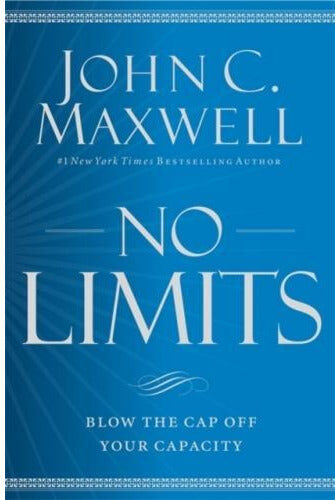
Little Brown Book Group No Limits: Blow the Cap Off Your Capacity by John C. Maxwell – Personal Growth & Leadership Development GuideNo Limits: Blow the CAP Off Your Capacity Description We often treat the word capacity as if it were a natural law of limitation. Unfortunately; most of us are much more comfortable defining what we perceive is off limits rather than what's possible. Could it be that many people have allowed what they perceive as capacity to define them? Have they allowed their perception to limit their attitudes about their potential? In his newest book; John Maxwell identifies 17 core capacities. Some of these are abilities we all already possess; such as energy; creativity and leadership. Others are aspects of our lives controlled by our choices; like our attitudes; character; and intentionality. Maxwell examines each of these 17 capacities; and provides clear and actionable advice on how you can increase your potential in each. He will guide you on how to identify; grow; and apply your critical capacities to your daily life. Once you've blown the 'cap' off your capacities; you'll find yourself more successful--and fulfilled--in your daily life.5,99 £*Shipping: 2,99 £Secure redirect to the provider
-
Are there indirect insults?
Yes, indirect insults are subtle or disguised remarks that are meant to offend or belittle someone without directly stating the insult. These can include sarcastic comments, backhanded compliments, or passive-aggressive behavior. Indirect insults can be more difficult to identify and address compared to direct insults, as the intention behind them may not be immediately clear. It is important to be aware of indirect insults and communicate openly if you feel offended or disrespected. **
-
What are Spanish insults?
Spanish insults are derogatory or offensive words or phrases used to insult or offend someone. They can range from mild to severe and can be directed at a person's appearance, intelligence, or behavior. Some common Spanish insults include "idiota" (idiot), "tonto" (fool), and "estúpido" (stupid). Insults can be used in a playful or serious manner, but it's important to be mindful of the impact they can have on others. **
-
What are clever insults?
Clever insults are insults that are creative, witty, and often humorous. They are crafted to be more than just hurtful words, but rather to cleverly and effectively criticize or mock someone in a way that is both intelligent and entertaining. Clever insults often rely on wordplay, sarcasm, and clever observations to make a point while also delivering a sharp jab. They can be a way to express frustration or disapproval in a clever and memorable manner. **
-
Is this about insults?
No, this is not about insults. This is about providing a response to a question or statement. If you have any specific questions or topics you'd like to discuss, feel free to ask! **
What are complex insults?
Complex insults are insults that are more elaborate and sophisticated than simple name-calling or derogatory remarks. They often involve a combination of clever language, sarcasm, and wit to deliver a cutting and impactful insult. Complex insults can be used to convey a deeper level of disdain or criticism, and are often employed in more formal or intellectual settings. **
Should insults be punished?
Insults can be hurtful and damaging, and in some cases, they can contribute to a hostile or toxic environment. However, the decision to punish insults should be carefully considered. It's important to distinguish between casual banter and intentional, harmful insults. Punishing insults should be approached with a focus on education and creating a respectful and inclusive environment, rather than simply punitive measures. It's also important to consider the context and intent behind the insult before deciding on any punishment. **
Top-Angebote
Products related to Insults:
-
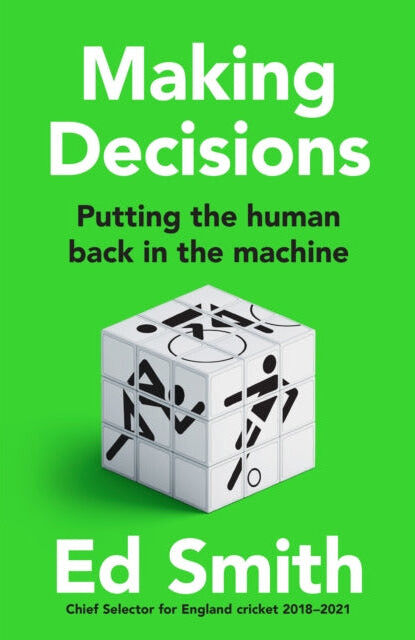
William Collins Making Decisions Book – Leadership, Judgement & Smart Thinking GuideWinning takes many forms. For fans of Matthew Syed, this is a great sports book about leadership, judgement and decision-making - rooted in the theory that helped Ed Smith lead England cricket to sustained success. And to help us all win more.'An absolutely fascinating book' THE GAME, The Times football pod How do you spot the opportunities that others miss?How do you turn a team's performance around?How do you make good decisions amid a tidal wave of information? And how can you improve? As chief selector for the England cricket team, Ed Smith pioneered new methods for building successful teams and watched his decisions tested in real time on the pitch. During his three-year tenure, England averaged 7 wins in every 10 completed matches, better than they have performed before or since. Making Decisions reveals Smith's unique approach to finding success in a fast-changing and increasingly data-reliant world.The best decisions, Smith argues, rely on a combination of differing kinds of intelligence: from algorithms to intuition. This is a truth that the most successful people know: data cannot account for everything, it must be harnessed with human insight. Whatever the power of data, humans aren't finished yet.Sharing for the first time the tools he introduced as England selector, Smith's book captures the immediacy of life at the sharp end, while also exploring frameworks from the top levels of sports, business and the arts. Decision-making is revealed as a creative enterprise, not a reductive system. Making Decisions offers an invaluable guide for those who want a better framework for developing, explaining and implementing new ideas.18,35 £*Shipping: 2,99 £Secure redirect to the provider
-
Wilco International LLP How to Win Friends and Influence People by Dale Carnegie Classic Self Help Book on Communication, Leadership, Confidence & Personal DevelopmentDiscover one of the world's best-known personal development books with How to Win Friends and Influence People by Dale Carnegie. First published in 1936, this enduring classic presents practical principles for communicating effectively, building positive relationships and working successfully with other people. Through memorable examples and straightforward advice, Carnegie explores how to make a positive impression, handle disagreements constructively, encourage cooperation and become a more effective communicator. The principles can be applied across everyday life, from personal relationships and social situations to business, management, sales, networking and leadership. Accessible and practical, How to Win Friends and Influence People remains popular with readers interested in improving their communication skills, confidence, interpersonal relationships and professional development. Key Features Classic personal development book by Dale Carnegie Practical principles for improving communication Explores relationships, leadership and interpersonal skills Useful for business, management, sales and networking Helps readers understand effective people skills Suitable for personal and professional development Excellent gift for entrepreneurs, managers and self-improvement readers9,99 £*Shipping: 2,99 £Secure redirect to the provider
-
Little Brown Book Group No Limits: Blow the Cap Off Your Capacity by John C. Maxwell – Personal Growth & Leadership Development GuideNo Limits: Blow the CAP Off Your Capacity Description We often treat the word capacity as if it were a natural law of limitation. Unfortunately; most of us are much more comfortable defining what we perceive is off limits rather than what's possible. Could it be that many people have allowed what they perceive as capacity to define them? Have they allowed their perception to limit their attitudes about their potential? In his newest book; John Maxwell identifies 17 core capacities. Some of these are abilities we all already possess; such as energy; creativity and leadership. Others are aspects of our lives controlled by our choices; like our attitudes; character; and intentionality. Maxwell examines each of these 17 capacities; and provides clear and actionable advice on how you can increase your potential in each. He will guide you on how to identify; grow; and apply your critical capacities to your daily life. Once you've blown the 'cap' off your capacities; you'll find yourself more successful--and fulfilled--in your daily life.5,99 £*Shipping: 2,99 £Secure redirect to the provider
-
What are French insults?
French insults are derogatory or offensive words or phrases used to insult or offend someone. They can range from mild insults to more severe ones, and can target a person's appearance, intelligence, or character. Some common French insults include "imbécile" (idiot), "connard" (jerk), and "salopard" (bastard). Insults can vary in intensity and can be used in a variety of contexts, from casual conversations to heated arguments. **
-
Are there insults here?
No, there are no insults here. **
-
Are there indirect insults?
Yes, indirect insults are subtle or disguised remarks that are meant to offend or belittle someone without directly stating the insult. These can include sarcastic comments, backhanded compliments, or passive-aggressive behavior. Indirect insults can be more difficult to identify and address compared to direct insults, as the intention behind them may not be immediately clear. It is important to be aware of indirect insults and communicate openly if you feel offended or disrespected. **
-
What are Spanish insults?
Spanish insults are derogatory or offensive words or phrases used to insult or offend someone. They can range from mild to severe and can be directed at a person's appearance, intelligence, or behavior. Some common Spanish insults include "idiota" (idiot), "tonto" (fool), and "estúpido" (stupid). Insults can be used in a playful or serious manner, but it's important to be mindful of the impact they can have on others. **
Similar search terms for Insults
-
What are clever insults?
Clever insults are insults that are creative, witty, and often humorous. They are crafted to be more than just hurtful words, but rather to cleverly and effectively criticize or mock someone in a way that is both intelligent and entertaining. Clever insults often rely on wordplay, sarcasm, and clever observations to make a point while also delivering a sharp jab. They can be a way to express frustration or disapproval in a clever and memorable manner. **
-
Is this about insults?
No, this is not about insults. This is about providing a response to a question or statement. If you have any specific questions or topics you'd like to discuss, feel free to ask! **
-
What are complex insults?
Complex insults are insults that are more elaborate and sophisticated than simple name-calling or derogatory remarks. They often involve a combination of clever language, sarcasm, and wit to deliver a cutting and impactful insult. Complex insults can be used to convey a deeper level of disdain or criticism, and are often employed in more formal or intellectual settings. **
-
Should insults be punished?
Insults can be hurtful and damaging, and in some cases, they can contribute to a hostile or toxic environment. However, the decision to punish insults should be carefully considered. It's important to distinguish between casual banter and intentional, harmful insults. Punishing insults should be approached with a focus on education and creating a respectful and inclusive environment, rather than simply punitive measures. It's also important to consider the context and intent behind the insult before deciding on any punishment. **
* All prices are inclusive of VAT and, if applicable, plus shipping costs. The offer information is based on the details provided by the respective shop and is updated through automated processes. Real-time updates do not occur, so deviations can occur in individual cases. ** Note: Parts of this content were created by AI.