Buy rolemodel.eu ?
We are moving the project
rolemodel.eu .
Are you interested in purchasing the domain
rolemodel.eu ?
domain@kv-gmbh.de · 0541-91531010
Buy rolemodel.eu ?
Maybe subjunctive or indicative?
The choice between subjunctive or indicative depends on the context of the sentence. The subjunctive mood is used to express doubt, uncertainty, desire, or hypothetical situations, while the indicative mood is used for statements of fact or certainty. To determine whether to use subjunctive or indicative, consider the verb's relationship to reality and whether it is expressing a fact or a possibility. **
Perhaps, subjunctive or indicative?
The choice between subjunctive or indicative depends on the context of the sentence. The subjunctive mood is used to express hypothetical or uncertain situations, wishes, recommendations, or doubts. On the other hand, the indicative mood is used for statements of fact or certainty. Therefore, if the sentence is expressing a possibility, doubt, or desire, the subjunctive mood would be more appropriate. **
Similar search terms for Indicative
Top-Angebote
Products related to Indicative:
-
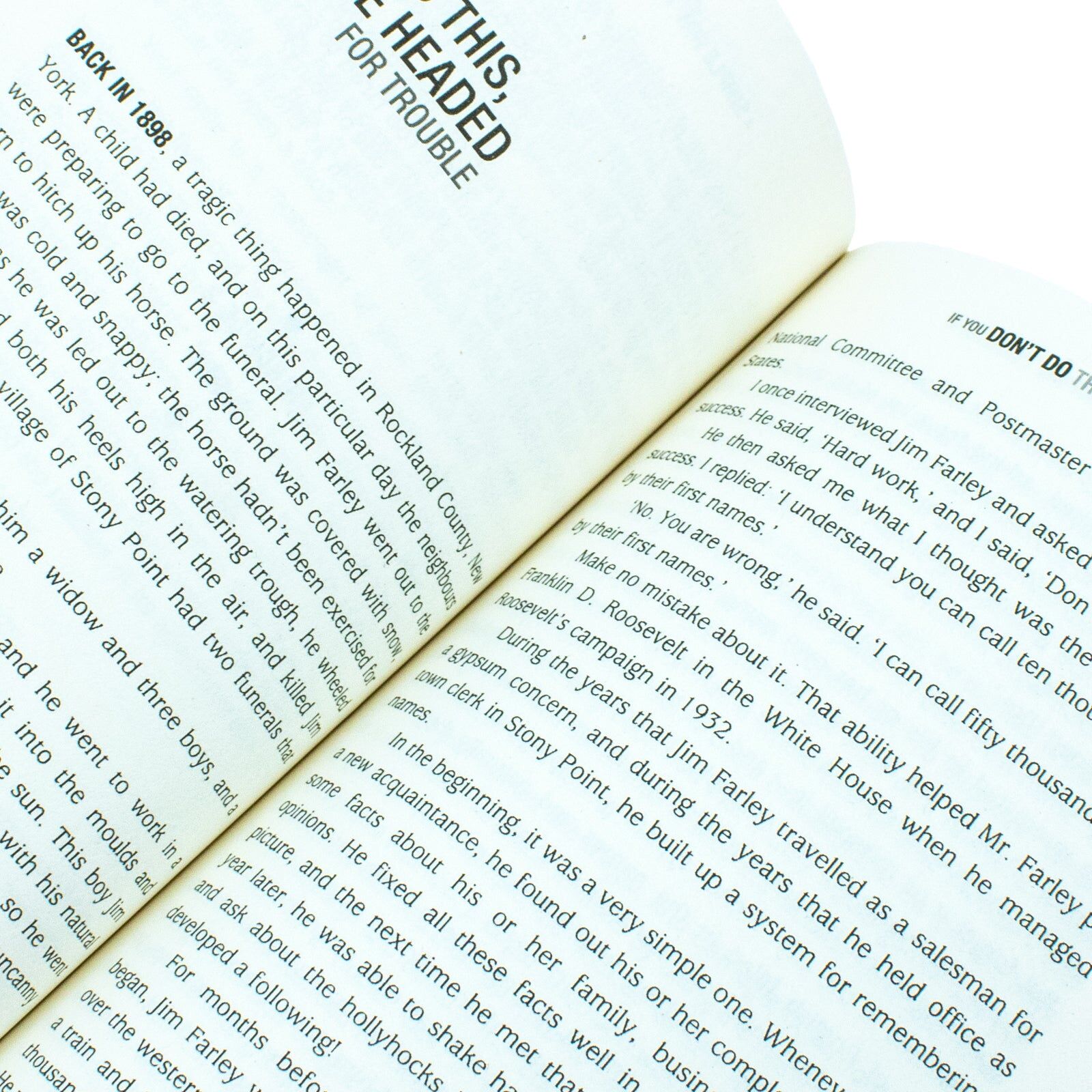
Wilco International LLP How to Win Friends and Influence People by Dale Carnegie Classic Self Help Book on Communication, Leadership, Confidence & Personal DevelopmentDiscover one of the world's best-known personal development books with How to Win Friends and Influence People by Dale Carnegie. First published in 1936, this enduring classic presents practical principles for communicating effectively, building positive relationships and working successfully with other people. Through memorable examples and straightforward advice, Carnegie explores how to make a positive impression, handle disagreements constructively, encourage cooperation and become a more effective communicator. The principles can be applied across everyday life, from personal relationships and social situations to business, management, sales, networking and leadership. Accessible and practical, How to Win Friends and Influence People remains popular with readers interested in improving their communication skills, confidence, interpersonal relationships and professional development. Key Features Classic personal development book by Dale Carnegie Practical principles for improving communication Explores relationships, leadership and interpersonal skills Useful for business, management, sales and networking Helps readers understand effective people skills Suitable for personal and professional development Excellent gift for entrepreneurs, managers and self-improvement readers9,99 £*Shipping: 2,99 £Secure redirect to the provider
-
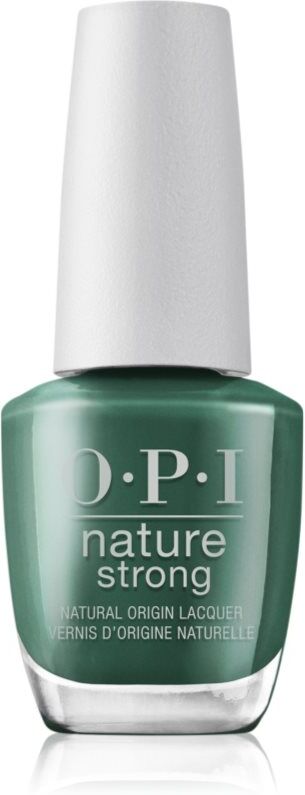
OPI Nature Strong nail polish Leaf by Example 15 mlOPI Nature Strong, 15 ml, Nail Varnishes for Women, A gorgeous manicure as though you’d just left the nail salon? The OPI Nature Strong nail polish lets you achieve it in the comfort of your own home. It coats the surface of the nail with a continuous layer of long-lasting, intense colour with a glossy finish, helping to give your nails a manicured, perfectly groomed look. You can use it to accentuate your nails or perhaps to enhance your outfit and style. So which colour will you choose to make your nails pop? Characteristics: bright, rich colour ensures a high gloss easy to apply Ingredients: vegan product How to use: Apply the polish using a brush for polish-free, degreased nails. For best results, apply two layers.10,29 £*Shipping: 3,99 £Secure redirect to the provider
-
Rupa Publications Talk Smart, Lead Strong by Dale Carnegie - Self-Help Paperback - Confident Speaking & Influence Guide - UK EditionDevelop your communication skills and lead with confidence with this practical guide to speaking effectively. Talk Smart, Lead Strong distils the communication wisdom of Dale Carnegie into a focused, modern guide for anyone who wants to speak with greater confidence and influence. Written for professionals, students, and everyday communicators, it strips away jargon and gets straight to practical technique. Whether you are leading a meeting, pitching an idea, or simply trying to be heard, this compact paperback offers clear, actionable steps to help your words land with real impact. Great leadership rarely starts with authority — it starts with the ability to talk to people in a way that makes them want to listen. This book takes that idea and builds a practical framework around it, showing readers how persuasive communicators structure their words, tone, and body language to win trust quickly. The book moves through various aspects of communication, providing readers with a comprehensive understanding of how to communicate effectively and lead with confidence.2,99 £*Shipping: 2,99 £Secure redirect to the provider
-
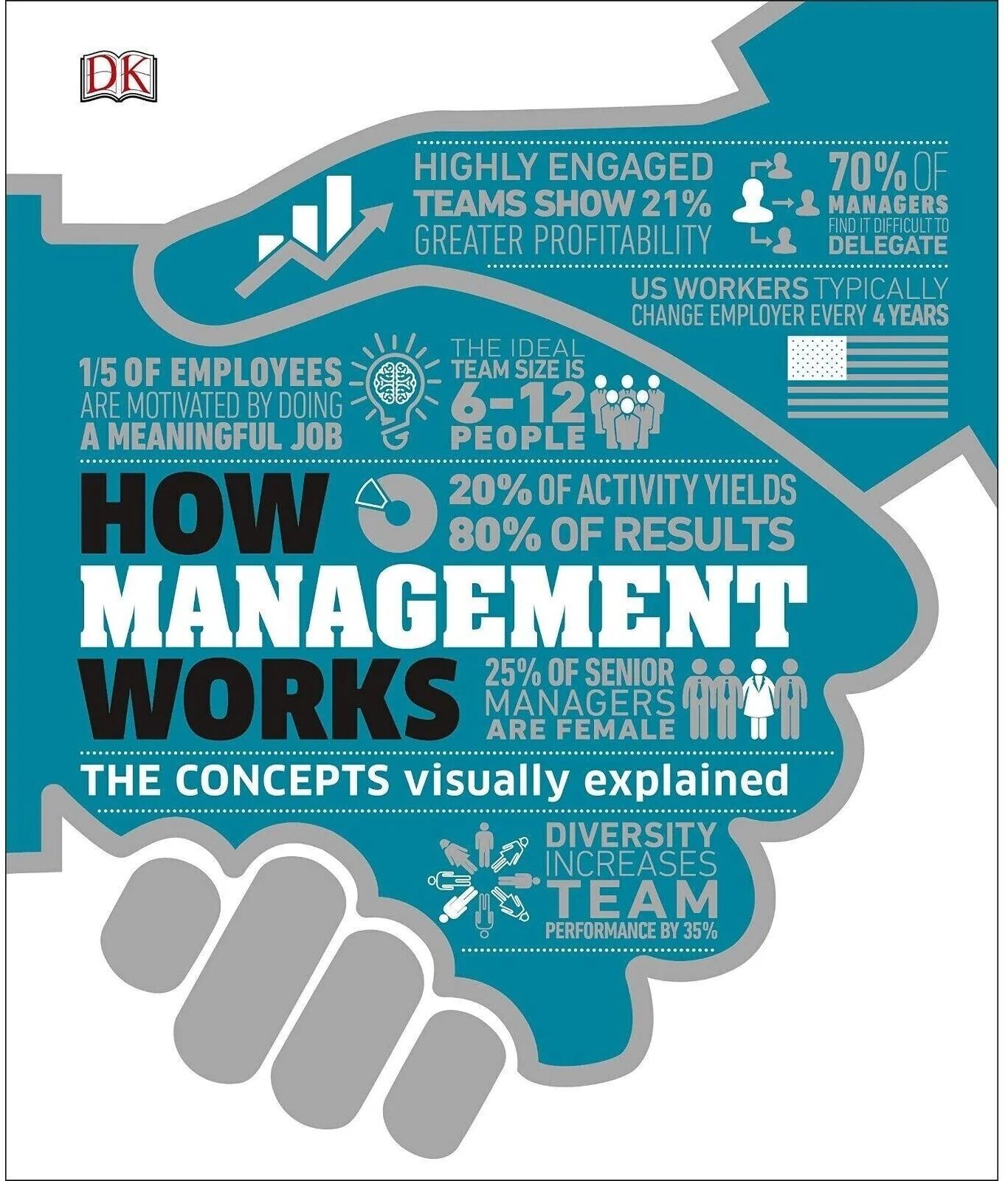
How Management Works: Concepts Visually Explained by DK - Hardback Non Fiction Business & Leadership Visual Guide for ManagersA definitive guide to modern management, 'How Management Works: Concepts Visually Explained' by DK offers clear explanations and bold diagrams to help you understand leadership, communication, strategy, team dynamics, and decision-making. This hardback book is ideal for new and experienced managers, business students, and anyone looking for a practical reference on effective team management. Published by DK as part of their 'How Things Work' visual series, it distills complex management theory into accessible guidance that you can apply immediately.13,49 £*Shipping: 2,99 £Secure redirect to the provider

-
Conditional, subjunctive or indicative?
The choice between conditional, subjunctive, or indicative mood depends on the context of the sentence. The conditional mood is used to express a hypothetical situation or a condition that is dependent on something else happening. The subjunctive mood is used to express wishes, recommendations, or possibilities. The indicative mood is used to state facts or ask questions. **
-
What are indicative and imperative?
Indicative and imperative are two different types of verb moods in grammar. The indicative mood is used to make statements or ask questions, expressing facts or opinions. On the other hand, the imperative mood is used to give commands or make requests. In essence, indicative is used for stating what is happening or what has happened, while imperative is used for giving instructions or orders. **
-
What is the French indicative?
The French indicative is a verb mood used to express statements, facts, or questions in a straightforward manner. It is the most commonly used verb mood in French and is used to talk about actions that are considered real or certain. The indicative is used in both the present and past tenses, as well as in the future and conditional tenses. It is important to understand the indicative mood in order to effectively communicate in French. **
-
What does indicative present mean?
Indicative present is a verb tense that is used to describe actions that are happening in the present moment or are generally true. It is used to express facts, habits, or routines. In English, the indicative present is formed by using the base form of the verb, with or without the addition of an -s ending for third person singular subjects. **

What does indicative preterite mean?
Indicative preterite is a verb tense used to describe actions that were completed in the past. It is used to express specific actions that happened at a definite point in time. In Spanish, the indicative preterite is one of the past tense forms and is used to talk about completed actions in the past. It is important to note that the indicative preterite is just one of the past tenses in Spanish, and its usage depends on the context and the specific time frame being referred to. **
Indicative or subjunctive in French?
The choice between indicative and subjunctive in French depends on the context and the verb used. The indicative mood is used for statements of fact or certainty, while the subjunctive mood is used for expressing doubt, uncertainty, or subjective feelings. Verbs of emotion, doubt, desire, and necessity often trigger the use of the subjunctive mood. It is important to pay attention to the specific verb and the context in order to determine whether to use the indicative or subjunctive in French. **
Top-Angebote
Products related to Indicative:
-
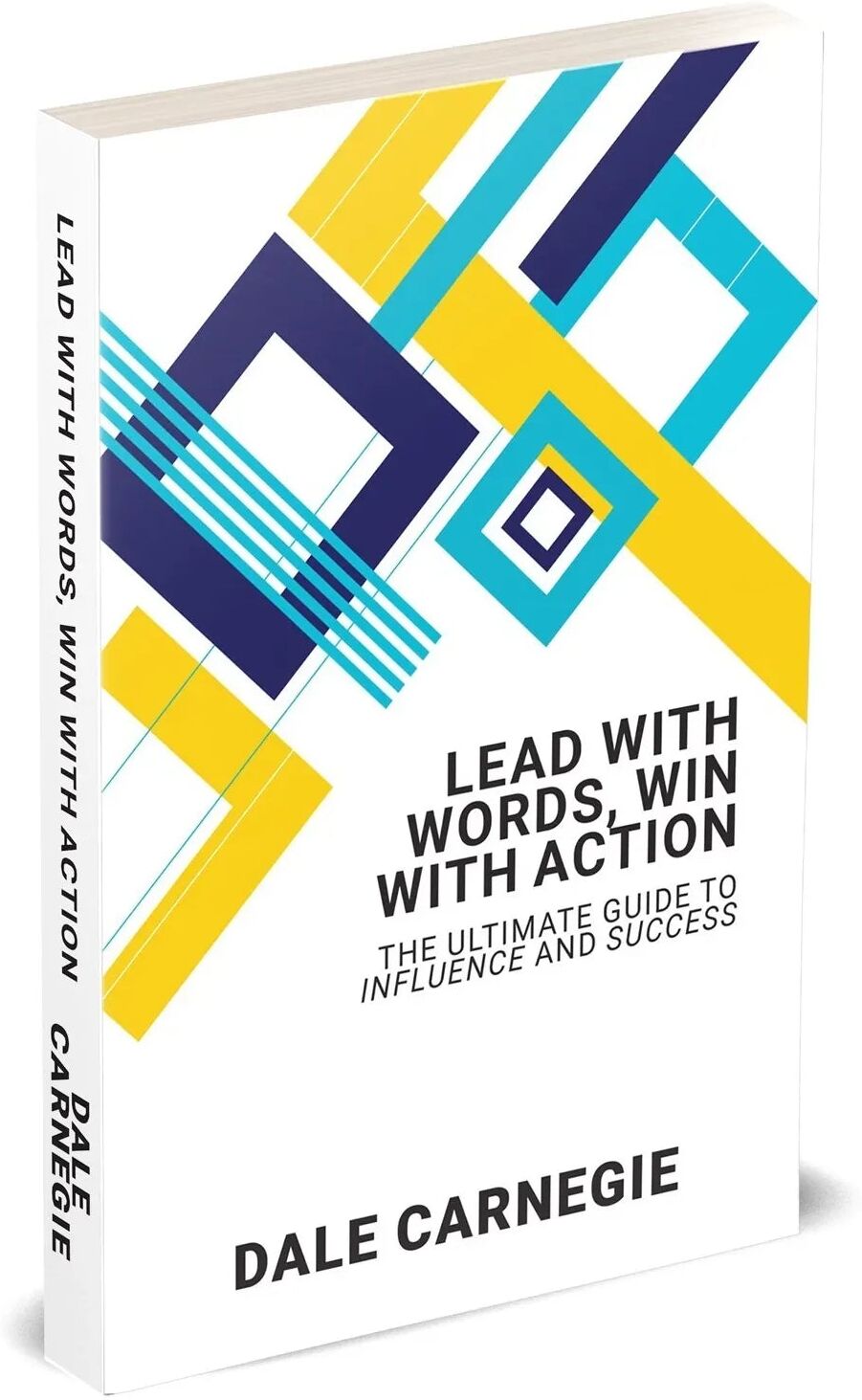
Rupa Publications Lead With Words, Win With Action by Dale Carnegie - Paperback Business & Leadership Self-Help Book - Practical Guide to Influence, CommunicationLead With Words, Win With Action by Dale Carnegie is a practical guide to communicating with confidence and leading with impact. This paperback book distils the enduring principles of Dale Carnegie's philosophy of influence into a modern guide for anyone who wants to build trust, motivate others, and convert conversation into real results. It blends timeless wisdom with actionable strategies for the modern workplace. The book explores how the right combination of language, listening, and follow-through can transform everyday interactions into lasting influence. Chapters cover practical topics such as how to open a conversation, disagree without creating an enemy, and more. Published by Rupa Publications, this book is a concise and energising read for anyone looking to improve their communication skills and leadership abilities.2,99 £*Shipping: 2,99 £Secure redirect to the provider
-
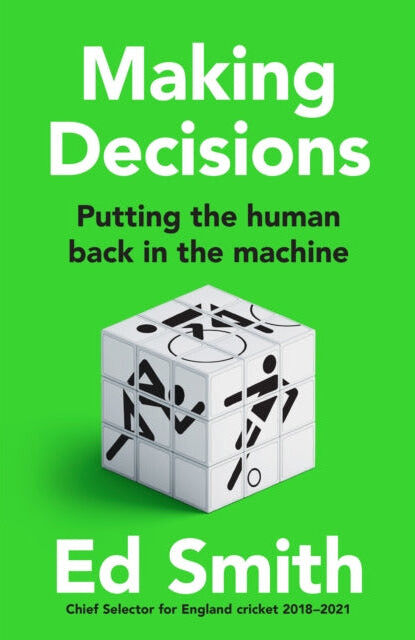
William Collins Making Decisions Book – Leadership, Judgement & Smart Thinking GuideWinning takes many forms. For fans of Matthew Syed, this is a great sports book about leadership, judgement and decision-making - rooted in the theory that helped Ed Smith lead England cricket to sustained success. And to help us all win more.'An absolutely fascinating book' THE GAME, The Times football pod How do you spot the opportunities that others miss?How do you turn a team's performance around?How do you make good decisions amid a tidal wave of information? And how can you improve? As chief selector for the England cricket team, Ed Smith pioneered new methods for building successful teams and watched his decisions tested in real time on the pitch. During his three-year tenure, England averaged 7 wins in every 10 completed matches, better than they have performed before or since. Making Decisions reveals Smith's unique approach to finding success in a fast-changing and increasingly data-reliant world.The best decisions, Smith argues, rely on a combination of differing kinds of intelligence: from algorithms to intuition. This is a truth that the most successful people know: data cannot account for everything, it must be harnessed with human insight. Whatever the power of data, humans aren't finished yet.Sharing for the first time the tools he introduced as England selector, Smith's book captures the immediacy of life at the sharp end, while also exploring frameworks from the top levels of sports, business and the arts. Decision-making is revealed as a creative enterprise, not a reductive system. Making Decisions offers an invaluable guide for those who want a better framework for developing, explaining and implementing new ideas.18,35 £*Shipping: 2,99 £Secure redirect to the provider
-
Wilco International LLP How to Win Friends and Influence People by Dale Carnegie Classic Self Help Book on Communication, Leadership, Confidence & Personal DevelopmentDiscover one of the world's best-known personal development books with How to Win Friends and Influence People by Dale Carnegie. First published in 1936, this enduring classic presents practical principles for communicating effectively, building positive relationships and working successfully with other people. Through memorable examples and straightforward advice, Carnegie explores how to make a positive impression, handle disagreements constructively, encourage cooperation and become a more effective communicator. The principles can be applied across everyday life, from personal relationships and social situations to business, management, sales, networking and leadership. Accessible and practical, How to Win Friends and Influence People remains popular with readers interested in improving their communication skills, confidence, interpersonal relationships and professional development. Key Features Classic personal development book by Dale Carnegie Practical principles for improving communication Explores relationships, leadership and interpersonal skills Useful for business, management, sales and networking Helps readers understand effective people skills Suitable for personal and professional development Excellent gift for entrepreneurs, managers and self-improvement readers9,99 £*Shipping: 2,99 £Secure redirect to the provider
-
OPI Nature Strong nail polish Leaf by Example 15 mlOPI Nature Strong, 15 ml, Nail Varnishes for Women, A gorgeous manicure as though you’d just left the nail salon? The OPI Nature Strong nail polish lets you achieve it in the comfort of your own home. It coats the surface of the nail with a continuous layer of long-lasting, intense colour with a glossy finish, helping to give your nails a manicured, perfectly groomed look. You can use it to accentuate your nails or perhaps to enhance your outfit and style. So which colour will you choose to make your nails pop? Characteristics: bright, rich colour ensures a high gloss easy to apply Ingredients: vegan product How to use: Apply the polish using a brush for polish-free, degreased nails. For best results, apply two layers.10,29 £*Shipping: 3,99 £Secure redirect to the provider
-
Maybe subjunctive or indicative?
The choice between subjunctive or indicative depends on the context of the sentence. The subjunctive mood is used to express doubt, uncertainty, desire, or hypothetical situations, while the indicative mood is used for statements of fact or certainty. To determine whether to use subjunctive or indicative, consider the verb's relationship to reality and whether it is expressing a fact or a possibility. **
-
Perhaps, subjunctive or indicative?
The choice between subjunctive or indicative depends on the context of the sentence. The subjunctive mood is used to express hypothetical or uncertain situations, wishes, recommendations, or doubts. On the other hand, the indicative mood is used for statements of fact or certainty. Therefore, if the sentence is expressing a possibility, doubt, or desire, the subjunctive mood would be more appropriate. **
-
Conditional, subjunctive or indicative?
The choice between conditional, subjunctive, or indicative mood depends on the context of the sentence. The conditional mood is used to express a hypothetical situation or a condition that is dependent on something else happening. The subjunctive mood is used to express wishes, recommendations, or possibilities. The indicative mood is used to state facts or ask questions. **
-
What are indicative and imperative?
Indicative and imperative are two different types of verb moods in grammar. The indicative mood is used to make statements or ask questions, expressing facts or opinions. On the other hand, the imperative mood is used to give commands or make requests. In essence, indicative is used for stating what is happening or what has happened, while imperative is used for giving instructions or orders. **
Similar search terms for Indicative
-
Rupa Publications Talk Smart, Lead Strong by Dale Carnegie - Self-Help Paperback - Confident Speaking & Influence Guide - UK EditionDevelop your communication skills and lead with confidence with this practical guide to speaking effectively. Talk Smart, Lead Strong distils the communication wisdom of Dale Carnegie into a focused, modern guide for anyone who wants to speak with greater confidence and influence. Written for professionals, students, and everyday communicators, it strips away jargon and gets straight to practical technique. Whether you are leading a meeting, pitching an idea, or simply trying to be heard, this compact paperback offers clear, actionable steps to help your words land with real impact. Great leadership rarely starts with authority — it starts with the ability to talk to people in a way that makes them want to listen. This book takes that idea and builds a practical framework around it, showing readers how persuasive communicators structure their words, tone, and body language to win trust quickly. The book moves through various aspects of communication, providing readers with a comprehensive understanding of how to communicate effectively and lead with confidence.2,99 £*Shipping: 2,99 £Secure redirect to the provider
-
How Management Works: Concepts Visually Explained by DK - Hardback Non Fiction Business & Leadership Visual Guide for ManagersA definitive guide to modern management, 'How Management Works: Concepts Visually Explained' by DK offers clear explanations and bold diagrams to help you understand leadership, communication, strategy, team dynamics, and decision-making. This hardback book is ideal for new and experienced managers, business students, and anyone looking for a practical reference on effective team management. Published by DK as part of their 'How Things Work' visual series, it distills complex management theory into accessible guidance that you can apply immediately.13,49 £*Shipping: 2,99 £Secure redirect to the provider
-
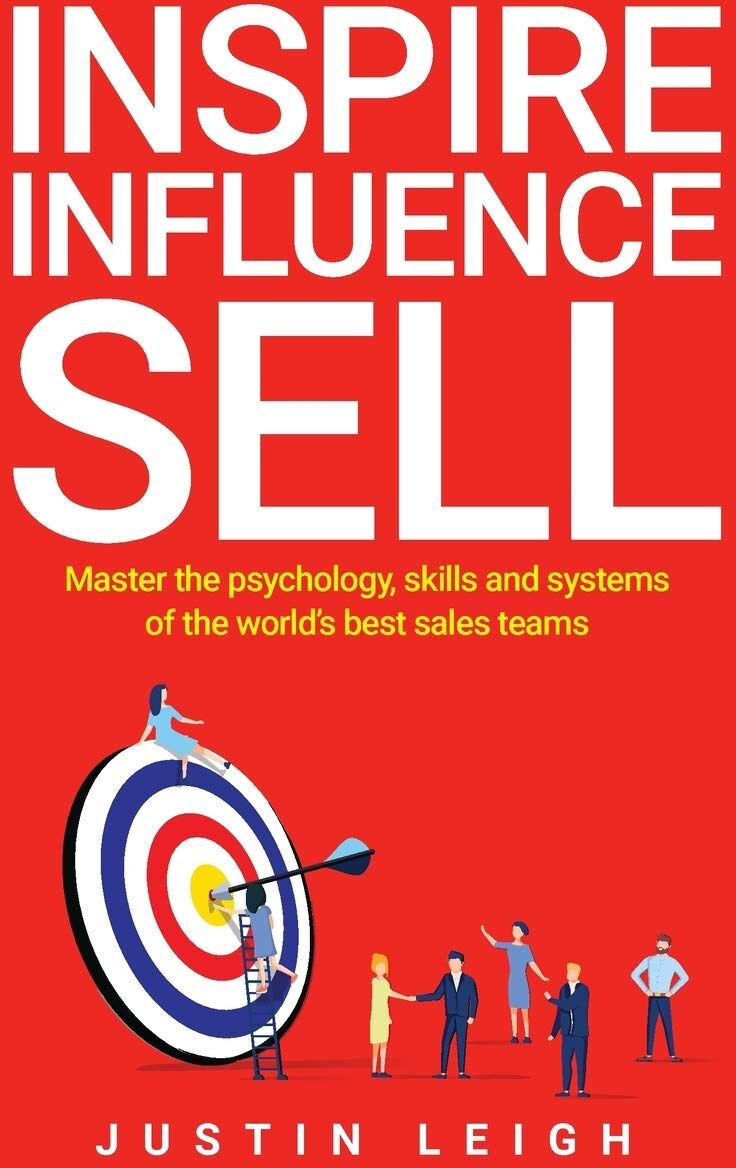
Rethink Press Inspire, Influence, Sell by Justin Leigh - Paperback - Sales Psychology & Skills Guide for Sales Professionals and Team LeadersInspire, Influence, Sell: Master the Psychology, Skills and Systems of the World's Best Sales Teams is a brand-new paperback from author and executive coach Justin Leigh. Written for sales professionals, team leaders, and anyone who wants to close more deals with integrity, the book combines psychology, proven technique, and a repeatable process to help readers sell more effectively while building genuinely stronger client relationships. It is a practical, no-nonsense guide rather than abstract sales theory, aimed squarely at people who want measurable results. The book sets out to address the skills gap in sales, as research suggests that over half of professional salespeople lack the skills or training to succeed consistently. Justin Leigh distills the mindset and habits shared by the planet's highest-performing sales teams, providing a valuable resource for anyone looking to improve their sales skills.4,99 £*Shipping: 2,99 £Secure redirect to the provider
-
Canongate Books To Sell Is Human by Daniel H. Pink - Paperback - Bestselling Guide to Persuasion, Sales & Influence - Non FictionTo Sell Is Human is a non-fiction book by Daniel H. Pink, published by Canongate Books in paperback format. This book explores persuasion in modern life, drawing on social science and behavioural research. Pink argues that we are all in sales now, whether pitching an idea at work, persuading a partner, or negotiating with our own children. The book blends storytelling with practical, research-backed tools, making it essential reading for anyone who wants to understand how influence really works today. Daniel Pink opens with a bold claim: one in nine workers in the traditional sense sells for a living, but the rest of us spend huge portions of our day in what he calls 'non-sales selling' — persuading, convincing and influencing others without a price tag attached. Parents sell their kids on going to bed, spouses sell each other on chores, employees sell bosses on raises, and almost everyone now finds themselves in similar situations.6,99 £*Shipping: 2,99 £Secure redirect to the provider
-
What is the French indicative?
The French indicative is a verb mood used to express statements, facts, or questions in a straightforward manner. It is the most commonly used verb mood in French and is used to talk about actions that are considered real or certain. The indicative is used in both the present and past tenses, as well as in the future and conditional tenses. It is important to understand the indicative mood in order to effectively communicate in French. **
-
What does indicative present mean?
Indicative present is a verb tense that is used to describe actions that are happening in the present moment or are generally true. It is used to express facts, habits, or routines. In English, the indicative present is formed by using the base form of the verb, with or without the addition of an -s ending for third person singular subjects. **
-
What does indicative preterite mean?
Indicative preterite is a verb tense used to describe actions that were completed in the past. It is used to express specific actions that happened at a definite point in time. In Spanish, the indicative preterite is one of the past tense forms and is used to talk about completed actions in the past. It is important to note that the indicative preterite is just one of the past tenses in Spanish, and its usage depends on the context and the specific time frame being referred to. **
-
Indicative or subjunctive in French?
The choice between indicative and subjunctive in French depends on the context and the verb used. The indicative mood is used for statements of fact or certainty, while the subjunctive mood is used for expressing doubt, uncertainty, or subjective feelings. Verbs of emotion, doubt, desire, and necessity often trigger the use of the subjunctive mood. It is important to pay attention to the specific verb and the context in order to determine whether to use the indicative or subjunctive in French. **
* All prices are inclusive of VAT and, if applicable, plus shipping costs. The offer information is based on the details provided by the respective shop and is updated through automated processes. Real-time updates do not occur, so deviations can occur in individual cases. ** Note: Parts of this content were created by AI.