Buy rolemodel.eu ?
We are moving the project
rolemodel.eu .
Are you interested in purchasing the domain
rolemodel.eu ?
domain@kv-gmbh.de · 0541-91531010
Buy rolemodel.eu ?
Where was Byzantium located?
Byzantium was located in the region of Thrace, at the crossroads of Europe and Asia, on the European side of the Bosporus Strait. It was strategically positioned for trade and defense, and its location allowed it to control key trade routes between the Black Sea and the Mediterranean. Eventually, the city was renamed Constantinople and became the capital of the Byzantine Empire. Today, the city is known as Istanbul and is located in modern-day Turkey. **
When did Ostrom become Byzantium?
Ostrom became Byzantium in the 7th century AD, during the reign of the Emperor Heraclius. The name change was a result of the city of Byzantium being renamed as Constantinople, after the Emperor Constantine the Great. This marked a significant shift in the identity and status of the city, as it became the new capital of the Roman Empire and the center of the Byzantine civilization. **


Similar search terms for Byzantium
Top-Angebote
Products related to Byzantium:
-
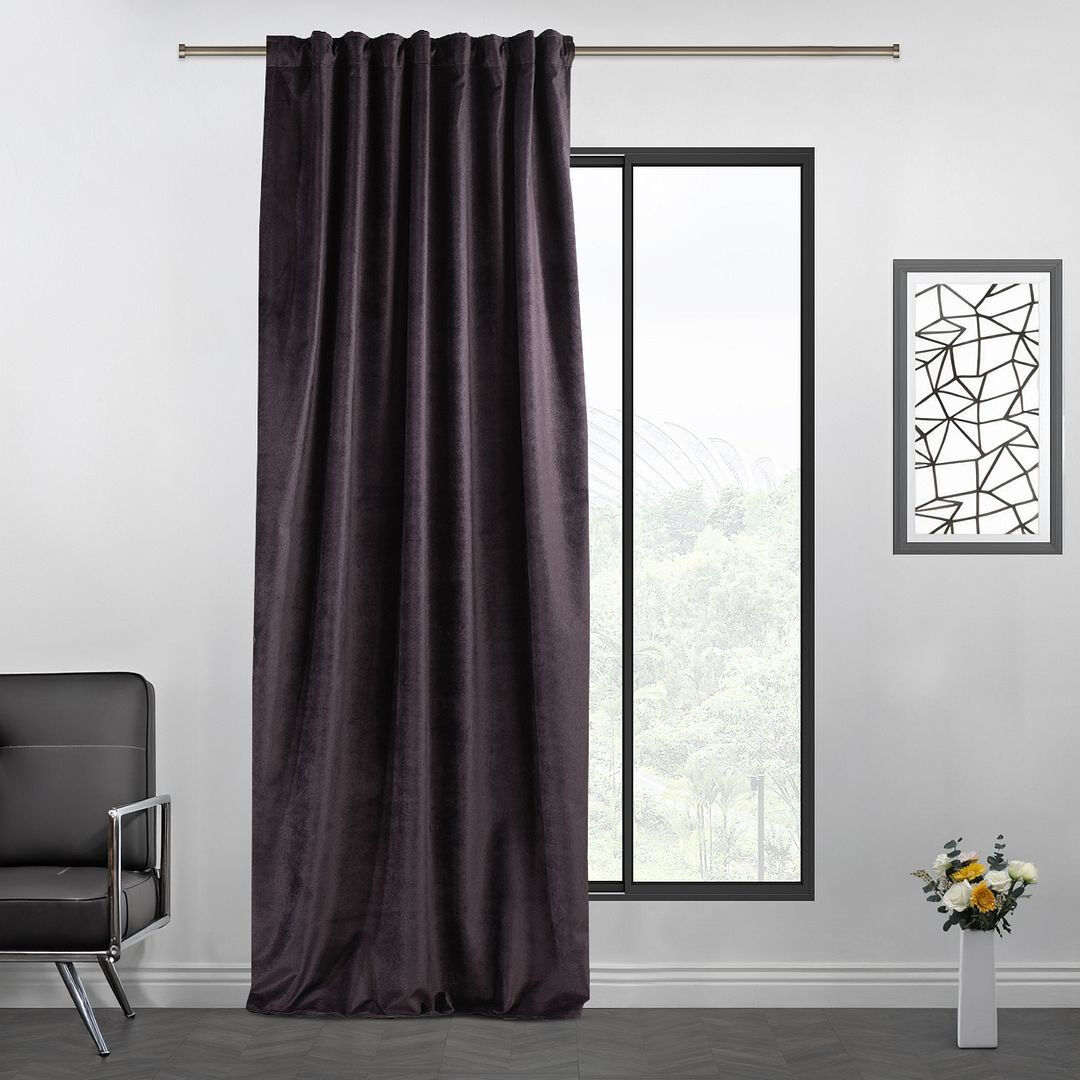
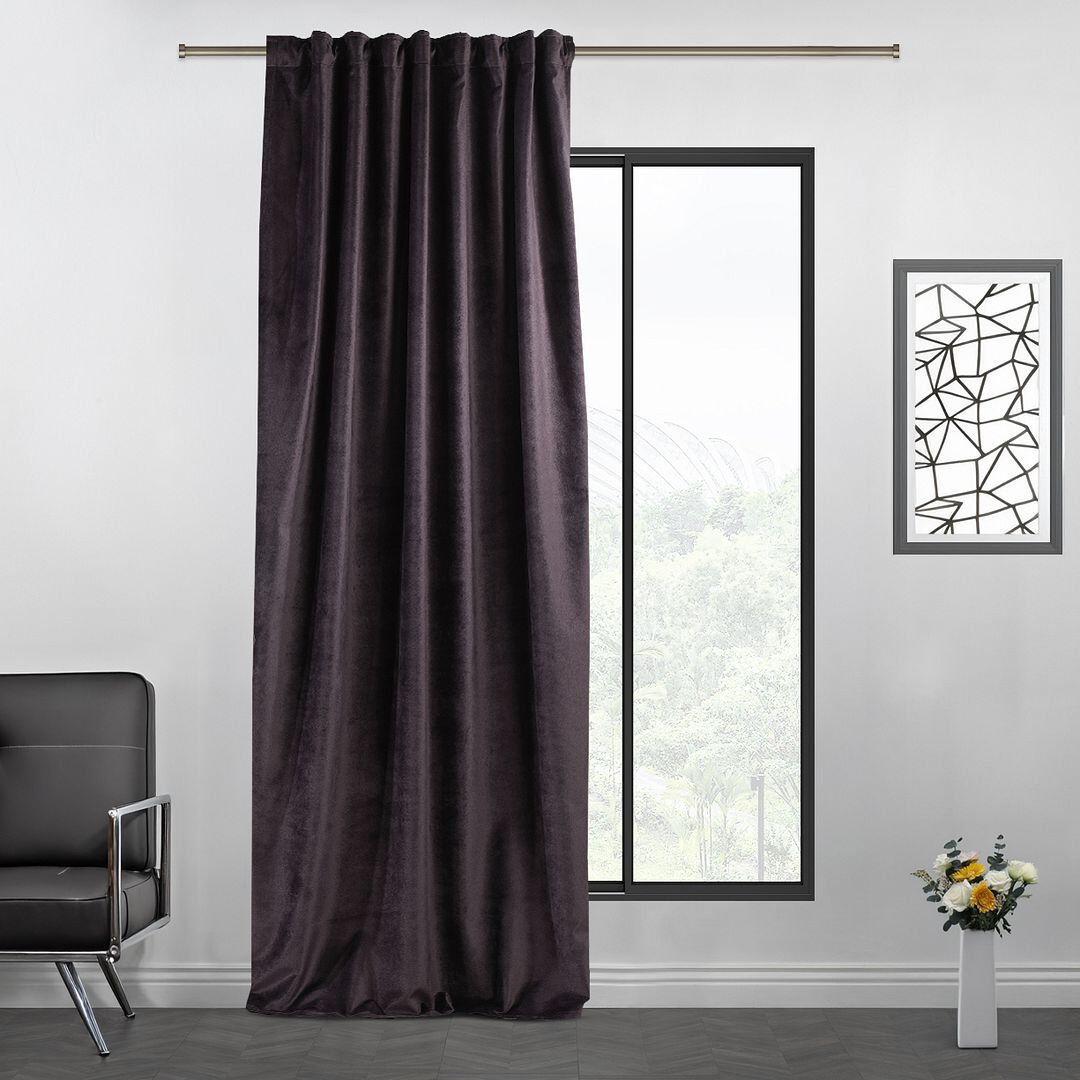
Lilijan Home & Curtain Extra Long & Extra Wide Matte Velvet Curtain Panel 47 BYZANTIUM 260cm Width x 265cm DropLuxury Velvet Solid Room Darkering Rod Pocket Single Curtain Panel Lilijan Home & Curtain Panel Size: 260cm Width x 265cm Drop, Curtain Colour: 47 BYZANTIUM246,99 £*Shipping: 0,00 £Secure redirect to the provider
-
William Collins Making Decisions Book – Leadership, Judgement & Smart Thinking GuideWinning takes many forms. For fans of Matthew Syed, this is a great sports book about leadership, judgement and decision-making - rooted in the theory that helped Ed Smith lead England cricket to sustained success. And to help us all win more.'An absolutely fascinating book' THE GAME, The Times football pod How do you spot the opportunities that others miss?How do you turn a team's performance around?How do you make good decisions amid a tidal wave of information? And how can you improve? As chief selector for the England cricket team, Ed Smith pioneered new methods for building successful teams and watched his decisions tested in real time on the pitch. During his three-year tenure, England averaged 7 wins in every 10 completed matches, better than they have performed before or since. Making Decisions reveals Smith's unique approach to finding success in a fast-changing and increasingly data-reliant world.The best decisions, Smith argues, rely on a combination of differing kinds of intelligence: from algorithms to intuition. This is a truth that the most successful people know: data cannot account for everything, it must be harnessed with human insight. Whatever the power of data, humans aren't finished yet.Sharing for the first time the tools he introduced as England selector, Smith's book captures the immediacy of life at the sharp end, while also exploring frameworks from the top levels of sports, business and the arts. Decision-making is revealed as a creative enterprise, not a reductive system. Making Decisions offers an invaluable guide for those who want a better framework for developing, explaining and implementing new ideas.18,35 £*Shipping: 2,99 £Secure redirect to the provider
-
Lilijan Home & Curtain Extra Long & Extra Wide Matte Velvet Curtain Panel 25 DARK BYZANTIUM 130cm Width x 325cm DropLuxury Velvet Solid Room Darkering Rod Pocket Single Curtain Panel Lilijan Home & Curtain Panel Size: 130cm Width x 325cm Drop, Curtain Colour: 25 DARK BYZANTIUM122,99 £*Shipping: 0,00 £Secure redirect to the provider
-
Lilijan Home & Curtain Extra Long & Extra Wide Matte Velvet Curtain Panel 25 DARK BYZANTIUM 130cm Width x 350cm DropLuxury Velvet Solid Room Darkering Rod Pocket Single Curtain Panel Lilijan Home & Curtain Panel Size: 130cm Width x 350cm Drop, Curtain Colour: 25 DARK BYZANTIUM129,99 £*Shipping: 0,00 £Secure redirect to the provider


-
Why is Ostrom suddenly called Byzantium?
Ostrom is suddenly called Byzantium because the name change reflects a shift in focus from the Roman Empire to the Eastern Roman Empire, which was centered in the city of Byzantium (later known as Constantinople). This change highlights the distinct cultural, political, and historical characteristics of the Eastern Roman Empire, which endured for over a thousand years after the fall of the Western Roman Empire. By using the name Byzantium, scholars and historians are able to more accurately capture the unique identity and legacy of this empire. **
-
Why could the emperor of Byzantium not pay his Ottoman mercenaries?
The emperor of Byzantium could not pay his Ottoman mercenaries due to a combination of financial difficulties and political instability. The Byzantine Empire was facing economic challenges and had limited resources to pay its military forces. Additionally, the empire was also dealing with internal conflicts and external threats, which further strained its financial situation. As a result, the emperor was unable to fulfill his financial obligations to the Ottoman mercenaries, leading to tensions and potential conflicts between the two powers. **
-
What was the relationship between Byzantium and the Crusaders during the First Crusade?
During the First Crusade, the relationship between Byzantium and the Crusaders was complex. The Byzantine Emperor Alexios I Komnenos initially requested military aid from the Crusaders to help defend his empire against the Seljuk Turks. However, the Crusaders' arrival in Byzantine territory led to tensions and conflicts, as they often clashed with the Byzantine forces and sought to expand their own territories at the expense of the Byzantine Empire. Despite these tensions, the Crusaders and Byzantines also cooperated at times, such as during the successful siege of Nicaea. Overall, the relationship between Byzantium and the Crusaders during the First Crusade was marked by a mixture of cooperation and conflict. **
-
What does central authority and authoritarian leadership mean?
Central authority refers to a system where power and decision-making are concentrated in a single entity or group, such as a government or leader. Authoritarian leadership is a style of leadership where the leader holds all the power and makes decisions without input from others. In an authoritarian system, there is little to no room for dissent or opposition, and individuals are expected to follow orders without question. **


How did medieval icons look and how do those from Byzantium differ from those from the Western Roman Empire?
Medieval icons were typically religious images painted on wooden panels, often depicting figures such as Jesus, Mary, saints, and angels. Icons from Byzantium, the Eastern Roman Empire, were characterized by their use of rich, vibrant colors, intricate details, and a sense of spiritual transcendence. They often featured a more stylized and abstract representation of figures, with a focus on conveying the divine nature of the subjects. In contrast, icons from the Western Roman Empire tended to have a more naturalistic and humanistic approach, with a greater emphasis on portraying the physical attributes and emotions of the figures. Additionally, Western icons often incorporated elements of Romanesque and Gothic art styles, reflecting the artistic trends of the region. **
What is an example of abuse of authority?
An example of abuse of authority is when a manager uses their position of power to unfairly promote or give benefits to a family member or friend, rather than based on merit. This type of behavior can create a toxic work environment, breed resentment among other employees, and ultimately harm the organization's overall performance and morale. Abuse of authority undermines trust and respect within the workplace and can lead to negative consequences for both the individuals involved and the organization as a whole. **
Top-Angebote
Products related to Byzantium:
-
Lilijan Home & Curtain Extra Long & Extra Wide Matte Velvet Curtain Panel 47 BYZANTIUM 130cm Width x 325cm DropLuxury Velvet Solid Room Darkering Rod Pocket Single Curtain Panel Lilijan Home & Curtain Panel Size: 130cm Width x 325cm Drop, Curtain Colour: 47 BYZANTIUM122,99 £*Shipping: 0,00 £Secure redirect to the provider
-
Lilijan Home & Curtain Extra Long & Extra Wide Matte Velvet Curtain Panel 47 BYZANTIUM 130cm Width x 175cm DropLuxury Velvet Solid Room Darkering Rod Pocket Single Curtain Panel Lilijan Home & Curtain Panel Size: 130cm Width x 175cm Drop, Curtain Colour: 47 BYZANTIUM83,99 £*Shipping: 0,00 £Secure redirect to the provider
-
Lilijan Home & Curtain Extra Long & Extra Wide Matte Velvet Curtain Panel 47 BYZANTIUM 260cm Width x 265cm DropLuxury Velvet Solid Room Darkering Rod Pocket Single Curtain Panel Lilijan Home & Curtain Panel Size: 260cm Width x 265cm Drop, Curtain Colour: 47 BYZANTIUM246,99 £*Shipping: 0,00 £Secure redirect to the provider
-
William Collins Making Decisions Book – Leadership, Judgement & Smart Thinking GuideWinning takes many forms. For fans of Matthew Syed, this is a great sports book about leadership, judgement and decision-making - rooted in the theory that helped Ed Smith lead England cricket to sustained success. And to help us all win more.'An absolutely fascinating book' THE GAME, The Times football pod How do you spot the opportunities that others miss?How do you turn a team's performance around?How do you make good decisions amid a tidal wave of information? And how can you improve? As chief selector for the England cricket team, Ed Smith pioneered new methods for building successful teams and watched his decisions tested in real time on the pitch. During his three-year tenure, England averaged 7 wins in every 10 completed matches, better than they have performed before or since. Making Decisions reveals Smith's unique approach to finding success in a fast-changing and increasingly data-reliant world.The best decisions, Smith argues, rely on a combination of differing kinds of intelligence: from algorithms to intuition. This is a truth that the most successful people know: data cannot account for everything, it must be harnessed with human insight. Whatever the power of data, humans aren't finished yet.Sharing for the first time the tools he introduced as England selector, Smith's book captures the immediacy of life at the sharp end, while also exploring frameworks from the top levels of sports, business and the arts. Decision-making is revealed as a creative enterprise, not a reductive system. Making Decisions offers an invaluable guide for those who want a better framework for developing, explaining and implementing new ideas.18,35 £*Shipping: 2,99 £Secure redirect to the provider
-
Where was Byzantium located?
Byzantium was located in the region of Thrace, at the crossroads of Europe and Asia, on the European side of the Bosporus Strait. It was strategically positioned for trade and defense, and its location allowed it to control key trade routes between the Black Sea and the Mediterranean. Eventually, the city was renamed Constantinople and became the capital of the Byzantine Empire. Today, the city is known as Istanbul and is located in modern-day Turkey. **
-
When did Ostrom become Byzantium?
Ostrom became Byzantium in the 7th century AD, during the reign of the Emperor Heraclius. The name change was a result of the city of Byzantium being renamed as Constantinople, after the Emperor Constantine the Great. This marked a significant shift in the identity and status of the city, as it became the new capital of the Roman Empire and the center of the Byzantine civilization. **
-
Why is Ostrom suddenly called Byzantium?
Ostrom is suddenly called Byzantium because the name change reflects a shift in focus from the Roman Empire to the Eastern Roman Empire, which was centered in the city of Byzantium (later known as Constantinople). This change highlights the distinct cultural, political, and historical characteristics of the Eastern Roman Empire, which endured for over a thousand years after the fall of the Western Roman Empire. By using the name Byzantium, scholars and historians are able to more accurately capture the unique identity and legacy of this empire. **
-
Why could the emperor of Byzantium not pay his Ottoman mercenaries?
The emperor of Byzantium could not pay his Ottoman mercenaries due to a combination of financial difficulties and political instability. The Byzantine Empire was facing economic challenges and had limited resources to pay its military forces. Additionally, the empire was also dealing with internal conflicts and external threats, which further strained its financial situation. As a result, the emperor was unable to fulfill his financial obligations to the Ottoman mercenaries, leading to tensions and potential conflicts between the two powers. **
Similar search terms for Byzantium
-
Lilijan Home & Curtain Extra Long & Extra Wide Matte Velvet Curtain Panel 25 DARK BYZANTIUM 130cm Width x 325cm DropLuxury Velvet Solid Room Darkering Rod Pocket Single Curtain Panel Lilijan Home & Curtain Panel Size: 130cm Width x 325cm Drop, Curtain Colour: 25 DARK BYZANTIUM122,99 £*Shipping: 0,00 £Secure redirect to the provider
-
Lilijan Home & Curtain Extra Long & Extra Wide Matte Velvet Curtain Panel 25 DARK BYZANTIUM 130cm Width x 350cm DropLuxury Velvet Solid Room Darkering Rod Pocket Single Curtain Panel Lilijan Home & Curtain Panel Size: 130cm Width x 350cm Drop, Curtain Colour: 25 DARK BYZANTIUM129,99 £*Shipping: 0,00 £Secure redirect to the provider
-
Lilijan Home & Curtain Extra Long & Extra Wide Matte Velvet Curtain Panel 47 BYZANTIUM 130 cm Width x 500cm DropLuxury Velvet Solid Room Darkering Rod Pocket Single Curtain Panel Lilijan Home & Curtain Panel Size: 130 cm Width x 500cm Drop, Curtain Colour: 47 BYZANTIUM168,99 £*Shipping: 0,00 £Secure redirect to the provider
-
Lilijan Home & Curtain Extra Long & Extra Wide Matte Velvet Curtain Panel 25 DARK BYZANTIUM 130cm Width x 175cm DropLuxury Velvet Solid Room Darkering Rod Pocket Single Curtain Panel Lilijan Home & Curtain Panel Size: 130cm Width x 175cm Drop, Curtain Colour: 25 DARK BYZANTIUM83,99 £*Shipping: 0,00 £Secure redirect to the provider
-
What was the relationship between Byzantium and the Crusaders during the First Crusade?
During the First Crusade, the relationship between Byzantium and the Crusaders was complex. The Byzantine Emperor Alexios I Komnenos initially requested military aid from the Crusaders to help defend his empire against the Seljuk Turks. However, the Crusaders' arrival in Byzantine territory led to tensions and conflicts, as they often clashed with the Byzantine forces and sought to expand their own territories at the expense of the Byzantine Empire. Despite these tensions, the Crusaders and Byzantines also cooperated at times, such as during the successful siege of Nicaea. Overall, the relationship between Byzantium and the Crusaders during the First Crusade was marked by a mixture of cooperation and conflict. **
-
What does central authority and authoritarian leadership mean?
Central authority refers to a system where power and decision-making are concentrated in a single entity or group, such as a government or leader. Authoritarian leadership is a style of leadership where the leader holds all the power and makes decisions without input from others. In an authoritarian system, there is little to no room for dissent or opposition, and individuals are expected to follow orders without question. **
-
How did medieval icons look and how do those from Byzantium differ from those from the Western Roman Empire?
Medieval icons were typically religious images painted on wooden panels, often depicting figures such as Jesus, Mary, saints, and angels. Icons from Byzantium, the Eastern Roman Empire, were characterized by their use of rich, vibrant colors, intricate details, and a sense of spiritual transcendence. They often featured a more stylized and abstract representation of figures, with a focus on conveying the divine nature of the subjects. In contrast, icons from the Western Roman Empire tended to have a more naturalistic and humanistic approach, with a greater emphasis on portraying the physical attributes and emotions of the figures. Additionally, Western icons often incorporated elements of Romanesque and Gothic art styles, reflecting the artistic trends of the region. **
-
What is an example of abuse of authority?
An example of abuse of authority is when a manager uses their position of power to unfairly promote or give benefits to a family member or friend, rather than based on merit. This type of behavior can create a toxic work environment, breed resentment among other employees, and ultimately harm the organization's overall performance and morale. Abuse of authority undermines trust and respect within the workplace and can lead to negative consequences for both the individuals involved and the organization as a whole. **
* All prices are inclusive of VAT and, if applicable, plus shipping costs. The offer information is based on the details provided by the respective shop and is updated through automated processes. Real-time updates do not occur, so deviations can occur in individual cases. ** Note: Parts of this content were created by AI.